
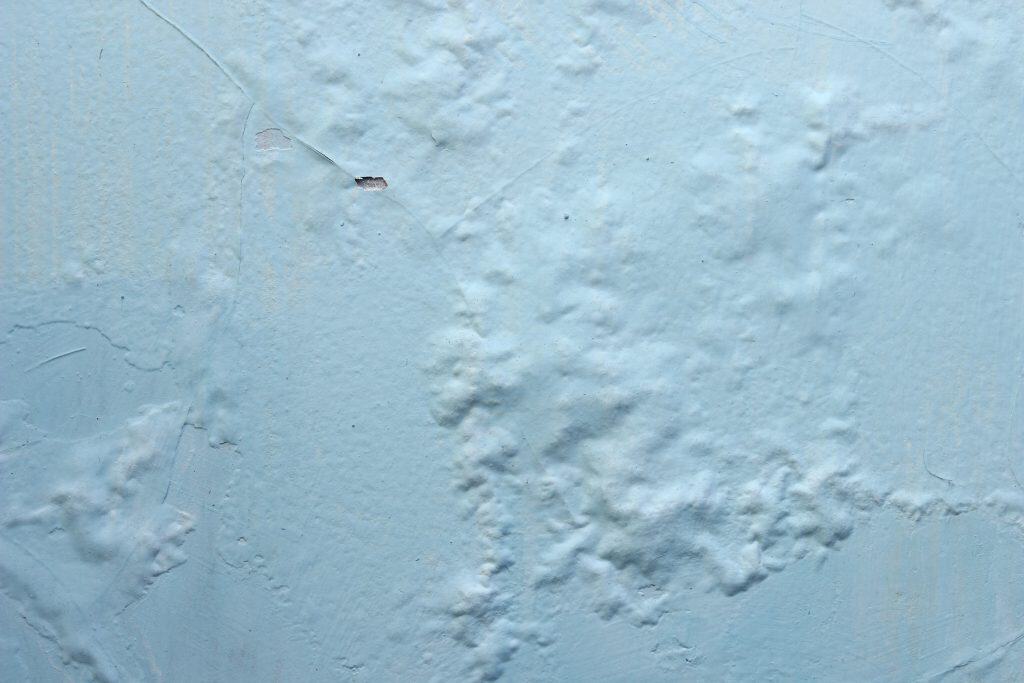
Why Is My Paint Bubbling and How Do I Fix It?
If you have noticed small blisters, raised patches or bubbles forming on the paintwork of your Hermanus or Overberg home, do not treat it as a simple cosmetic problem. Bubbling paint is usually a warning sign that something is happening underneath the surface. It can point to moisture, poor adhesion, salt contamination, roofline damp, failed waterproofing, mould, algae, old coatings, chalking, rust, cracked plaster or preparation that was not done correctly before the previous repaint.
This article explains why paint bubbles on coastal homes, why Hermanus and the Overberg are especially prone to this type of paint failure, and how the problem should be fixed before repainting. It also supports homeowners looking for Painters Hermanus, Overberg Painters, damp proofing before painting, exterior painting, interior painting and roof painting.
Painting Contractors Somerset West assists with suitable painting projects in Hermanus and the Overberg where project size, access and timing make sense. We are not a lead-generation painting company. Clients deal directly with an established painting contractor using full-time employed painters, a working foreman on site daily, written diagnostic reports and clear written scopes of work.
Why Paint Bubbles on Hermanus and Overberg Homes
Hermanus and the Overberg coastline create ideal conditions for paint bubbling when surfaces are not properly prepared. Homes in areas such as Onrus, Vermont, Kleinmond, Betty’s Bay, Pringle Bay and Rooi Els deal with coastal moisture, salt-laden air, winter rain, wind-driven rain, older plaster, shaded walls, boundary-wall damp and roofline water.
Holiday homes and guest houses can make the problem worse because many properties stand closed for long periods. Poor ventilation allows moisture to build up in bathrooms, kitchens, bedrooms and cupboards. When damp air sits against painted surfaces, paint can blister, peel or bubble, especially if the coating was applied over salt, chalking, mould or old paint that had already started to fail.
Moisture Behind the Paint Film
Paint bubbling happens when the paint film loses adhesion from the surface below. Moisture is one of the most common causes. When water gets behind the coating, pressure builds up under the paint film. The paint then lifts away from the plaster, ceiling board, timber or previous coating, creating bubbles or blisters.
Moisture can come from many sources:
- Rising damp moving up from the base of a wall.
- Penetrating damp through cracked or porous exterior plaster.
- Wind-driven rain entering through small cracks, window reveals or exposed joints.
- Roof leaks from cracked ridge caps, failed flashings, damaged roof sheets or roof-to-wall junctions.
- Blocked gutters and downpipes overflowing onto exterior walls.
- Bathroom steam, poor ventilation and condensation.
- Kitchen moisture from cooking, steam and poor airflow.
- Boundary walls and retaining walls holding moisture from soil, irrigation or poor drainage.
Paint does not fix active damp. If water is still entering a wall, ceiling, roofline, parapet, boundary wall or bathroom surface, repainting will usually only hide the problem for a short time.
Salt Air and Coastal Contamination
Coastal walls in Hermanus and the Overberg constantly collect salt residue, sea mist, wind-driven dust and grime. These contaminants can be difficult to see once the wall looks dry, but they create a weak layer between the wall and the new paint.
If exterior walls are not washed properly before repainting, the new paint bonds to salt and contamination rather than to the plaster or old coating. This is one of the main reasons coastal paintwork starts bubbling, peeling or flaking within months of a repaint.
For coastal exterior repainting, proper washing is not optional. Salt, grime, chalking, mould and algae must be removed before priming and painting. This applies especially to sea-facing homes, guest houses, boundary walls, parapets, rooflines, timber trims, garage doors and exposed exterior walls.
Poor Adhesion and Old Paint Layers
Many Hermanus and Overberg homes have been repainted several times. Each old coating layer can hide a problem. Older paint may be chalking, brittle, poorly bonded, damp-damaged or applied over a weak surface. If new paint is applied over failing paint, the new system is only as strong as the old layer underneath.
Common adhesion problems include painting over dirt, dust, salt, chalking, damp surfaces, mould, algae, rust, glossy old paint, weak filler, poor primer or old coatings that were already lifting. Before repainting, old paint must be checked for adhesion. Loose paint must be removed. Chalking must be washed back to a stable surface. Damp must be addressed. Rust must be treated. Cracks must be opened, cleaned, filled, sanded and primed correctly.
Bubbling Paint on Interior Walls and Ceilings
Inside the home, bubbling paint is most common in bathrooms, kitchens, ceilings, bedrooms with poor ventilation, holiday homes that remain closed and rooms with old water damage. Bathroom paint can bubble because of steam, condensation, poor airflow, mould, plumbing leaks or using the wrong coating system for a high-moisture room.
Ceiling bubbles need special attention. Bubbling ceiling paint after rain can point to a roof leak, failed flashing, cracked ridge cap, blocked gutter, plumbing leak or old water stain bleeding through. Painting over the ceiling without fixing the moisture source and using the correct stain-blocking preparation can lead to the same stain or bubble returning.
For interiors, our interior painting process looks at the source of the problem before recommending a finish. In some rooms, low-odour, washable or moisture-tolerant coatings may be suitable, but the surface still has to be dry, clean and stable first.
Bubbling Paint on Exterior Walls
Exterior bubbling on Hermanus homes is often caused by several problems working together. Salt contamination, UV exposure, chalking, wind-driven rain, cracked plaster, roofline leaks, poor preparation and old paint failure can all contribute at the same time.
UV breaks down older coatings into a powdery chalk. Cracks allow rainwater to enter. Gutters and rooflines can send water down the wall. Salt prevents proper adhesion. If any of these problems are ignored, even a premium exterior paint can fail early.
Our exterior painting approach starts with preparation, not colour. The wall must be washed, scraped, sanded, repaired, dried, primed and coated according to the real exposure and condition of the surface.
Boundary Walls and Retaining Walls
Boundary walls, garden walls and retaining walls often bubble and peel before the main house does. These walls are exposed to rain from the front and moisture from behind. Soil, garden beds, irrigation, sprinklers, poor drainage and missing damp barriers can all push moisture through the wall.
Painting only the visible face of a damp boundary wall does not stop moisture moving through from behind. In some cases, damp proofing, drainage improvements, waterproofing work or realistic maintenance expectations must be discussed before repainting.
Rooflines, Gutters, Downpipes and Parapets
Roofline defects are one of the most common reasons paint bubbles on ceilings and upper exterior walls. Blocked gutters, leaking downpipes, cracked ridge caps, failed flashings, parapet cracks and roof-to-wall junction problems can allow water to travel behind the paint film.
Roof painting does not fix active leaks. A roof coating is a protective coating applied to a sound roof. If the roof is leaking, the leak must be repaired before coating or repainting. This is why our roof painting process includes checking gutters, flashings, ridge caps, roof-to-wall junctions, rust and visible leak indicators before a coating system is specified.
Can You Just Scrape and Repaint Bubbling Paint?
Sometimes a local repair is enough. If the bubble is small, the source has already been fixed and the surrounding coating is stable, the loose paint can be scraped back, sanded, primed and repainted.
But if the cause is still active, scraping and repainting will fail. Painting over damp, salt, chalking, mould, rust, old failing paint or an active roof leak only delays the problem. The bubble normally returns because the root cause was never resolved.
The Correct Process to Fix Bubbling Paint
The correct fix starts with diagnosis. A proper bubbling-paint repair should follow a clear sequence:
- Inspect the affected area and the surrounding surfaces.
- Identify the moisture, salt, adhesion, roofline, damp or preparation source.
- Wash salt, grime, mould, algae and chalking from the surface.
- Scrape back all loose, bubbled and flaking paint.
- Test the remaining paint for adhesion.
- Sand edges smooth so the repair does not leave a visible ridge.
- Open, clean, fill and sand cracks correctly.
- Treat damp where required and allow proper drying time.
- Treat rust on gates, screws, brackets, hinges, railings, burglar bars or metal fixings.
- Prime the repaired area with the correct primer for the surface.
- Use a coating specification suited to the room, wall, roofline or exterior exposure.
- Apply the correct number of coats.
- Inspect the final finish once dry.
Common Mistakes to Avoid
The most common mistake is treating bubbling paint as only a paint problem. It is usually a surface-condition problem, a moisture problem or an adhesion problem. Avoid these shortcuts:
- Painting over damp walls.
- Painting over mould or algae without treatment.
- Painting over chalking instead of washing it back.
- Skipping primer.
- Using cheap filler that shrinks or cracks again.
- Painting over active rust.
- Ignoring roof leaks and gutter problems.
- Ignoring boundary-wall moisture.
- Ignoring bathroom ventilation.
- Choosing the cheapest quote without a proper diagnostic inspection.
When Hermanus Homeowners Should Call a Professional Painter
You should call a professional painter when bubbling keeps returning in the same area, when ceiling stains appear after rain, when bubbling appears near rooflines, when boundary walls keep peeling, when mould keeps coming back, when exterior bubbles are widespread or when the paint has failed soon after a recent repaint.
This is especially important for guest houses, holiday homes, rental homes, body corporate properties, estates and high-value coastal homes where repeated paint failure can affect presentation, bookings, maintenance budgets and long-term property value. For managed properties, our body corporate and estate painting service can help with written scopes, access planning and preparation-first repainting.
How Painting Contractors Somerset West Approaches Bubbling Paint
Painting Contractors Somerset West is not a lead-generation painting company. Clients deal directly with an established painting contractor with full-time employed painters, not subcontractors. A working foreman is on site daily to supervise preparation, protection, painting, clean-up and quality control.
Every quotation is supported by a written diagnostic report and a clear written scope of work. This helps the property owner understand what caused the bubbling, what must be fixed first, what preparation is included and which coating system is being specified. We carry Public Liability Insurance through OUTsurance and follow preparation-first workmanship.
Where damp, poor adhesion, rust, mould, algae, cracking, chalking and roof defects are resolved first, properly prepared paintwork can maintain integrity for approximately 8 to 10 years, depending on exposure and maintenance. Roof coatings can maintain integrity for approximately 7 to 8 years where qualifying roof specifications are followed and roof defects are fixed first.
Related Painting Services and Local Pages
This article is part of the Painting Contractors Somerset West paint failure guide series and supports practical painting advice across our service areas. For related local pages, visit Painters Somerset West, Helderberg Painters, Painters Strand, Painters Gordon’s Bay, Cape Winelands Painters, Painters Stellenbosch, Painters Arabella Estate and our full Cape Town Painting Service Areas.
For service support, visit our Painting Services, Residential Painters Cape Town, Commercial Painters Cape Town, Damp Proofing Cape Town, Roof Painting, Exterior Painting and Interior Painting pages.
Get a Hermanus Painting Quotation
If bubbling paint has become a recurring problem on your Hermanus or Overberg property, the right next step is a proper diagnosis, not another coat of paint over the same defect. Painting Contractors Somerset West can inspect suitable Hermanus and Overberg projects where project size, access and timing make sense.
Call 082 374 6862 or visit our contact page to request a bubbling paint assessment and quotation.
Bubbling Paint FAQs for Hermanus and Overberg Homes
Why is my paint bubbling on a Hermanus home?
Bubbling paint on Hermanus homes is usually caused by moisture behind the paint film, salt contamination, poor adhesion, roofline damp, old coating failure, mould, algae, cracks or painting over a surface that was not properly prepared.
Can I paint over bubbling paint?
No. Bubbling paint should be scraped back and the cause must be diagnosed first. Painting directly over bubbling paint traps the same problem under a new coat and usually leads to repeat failure.
Does bubbling paint always mean damp?
Not always, but damp is one of the most common causes. Bubbling can also come from salt contamination, old failing paint, poor preparation, chalking, mould, rust or painting over dirt and dust.
Why does exterior paint bubble near the coast?
Coastal homes are exposed to salt air, sea mist, wind-driven rain, winter moisture and UV. If salt, grime and chalking are not washed off before repainting, the paint may not bond properly and can bubble or peel.
Can salt air cause paint to bubble?
Yes. Salt residue can sit on the surface and stop new paint from bonding properly. Exterior walls near the coast must be washed thoroughly before priming and painting.
Why does bathroom paint bubble?
Bathroom paint often bubbles because of steam, condensation, poor ventilation, mould, plumbing leaks or the wrong paint system for a high-moisture room. The room must be dry, clean and properly ventilated before repainting.
Why does ceiling paint bubble after rain?
Ceiling paint that bubbles after rain often points to a roof leak, blocked gutter, failed flashing, cracked ridge cap or water entering the ceiling space. The leak must be repaired before the ceiling is repainted.
Can roof leaks cause paint bubbling?
Yes. Water from a roof leak can travel along roof timbers, cornices or walls before appearing as a bubble or stain on a ceiling or wall. Repainting without fixing the leak will not solve the problem.
Can roof painting fix active leaks?
No. Roof painting is a protective coating for a sound roof. Active leaks, failed flashings, cracked ridge caps, blocked gutters and roof-to-wall defects must be repaired before roof coating begins.
Why do boundary walls bubble and peel?
Boundary walls often bubble because moisture moves through from behind the wall. Soil moisture, irrigation, garden beds, poor drainage, retaining-wall pressure and missing damp barriers can all cause repeated paint failure.
What is the correct way to fix bubbling paint?
The correct process is to diagnose the cause, wash away salt and grime, scrape loose paint, test adhesion, repair cracks, treat damp and rust, allow proper drying time, prime correctly and apply a suitable coating system.
Should mould be painted over?
No. Mould and algae must be treated and cleaned before repainting. Painting over active mould does not kill it and usually leads to stains, peeling or further growth through the new coating.
How long should properly prepared paintwork last?
Where damp, poor adhesion, rust, mould, algae, cracking, chalking and roof defects are resolved first, properly prepared paintwork can maintain integrity for approximately 8 to 10 years, depending on exposure and maintenance.
How do I request a Hermanus painting quotation?
Call 082 374 6862 or visit the contact page to request a quotation. Painting Contractors Somerset West assists with suitable Hermanus and Overberg painting projects where project size, access and timing make sense.